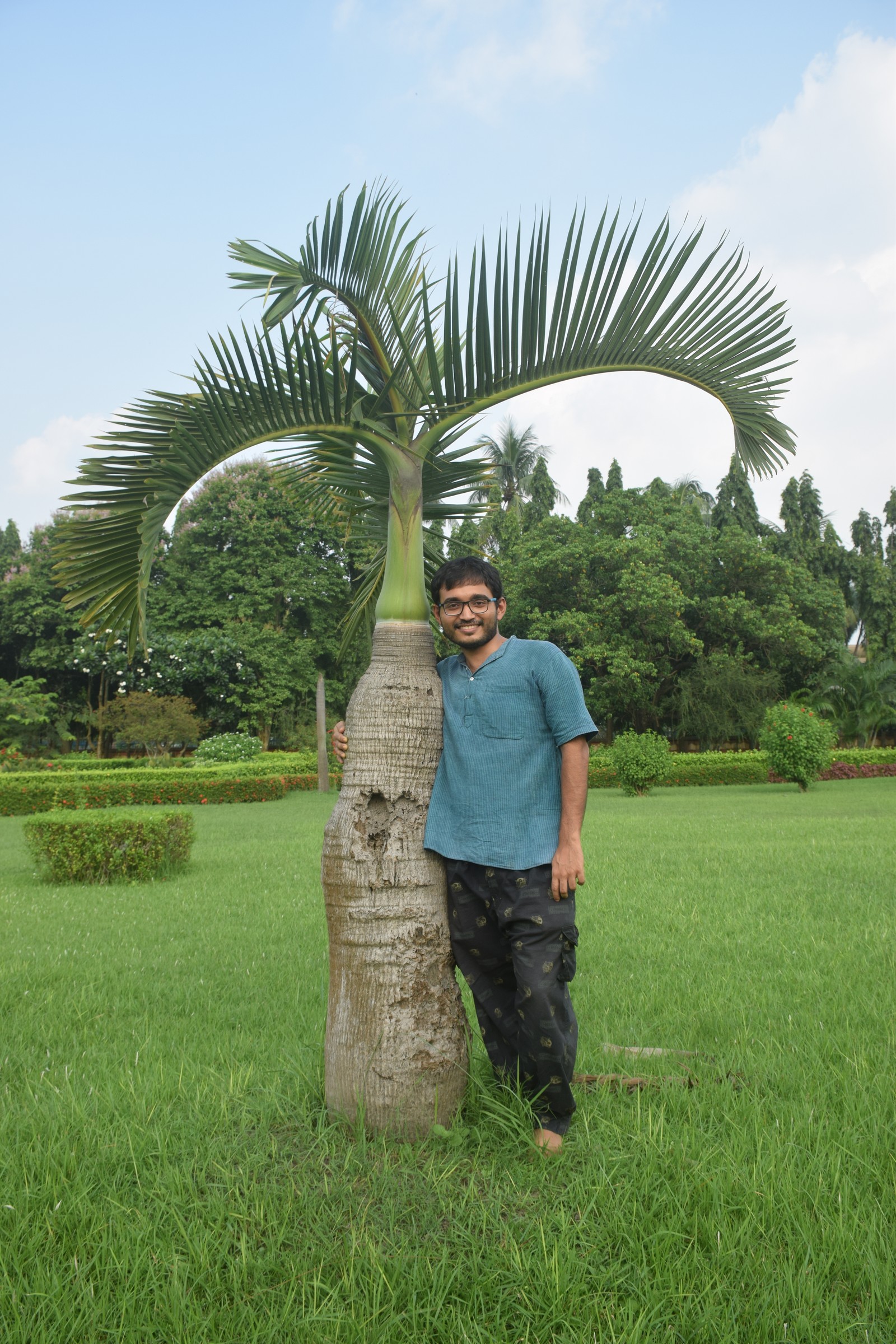
Hosting research unit: BIOMATÉRIAUX ET INFLAMMATION EN SITE OSSEUX - UR BIOS 4691
Period of stay: November 2025 onwards
Aim of the stay: Postdoc position
Could you tell us about your career as a researcher and what led you to come to France?
I am a researcher in the field of biomedicine, with a specialization in epigenetics. My academic journey has been driven by a strong interest in understanding the molecular mechanisms underlying complex diseases. During my training, I became particularly interested in how gene regulation contributes to disease development and progression.
I decided to come to France to pursue advanced research opportunities in a highly collaborative and international scientific environment. France offers strong academic institutions and access to cutting-edge technologies, which made it an ideal place to further develop my research skills and complete my doctoral training.
What are your current research projects focused on?
My current research focuses on the study of matrix-bound vesicles isolated from the Wharton´s Jelly in the umbilical cord. In particular, I work on their isolation and characterization, as well as on assessing their biological effects in calcification and immunomodulation.
My work aims to better understand how these vesicles contribute to different biological mechanisms and to explore their potential relevance as therapeutic agents or biomarkers.
At what point in your journey did you reach out to the Euraxess centre, and which types of support were most helpful to you during your arrival or stay?
I reached out to the Euraxess centre before arriving in France, during the visa application process. Their support started at a very early stage and continued throughout my arrival and integration.
They provided valuable guidance with administrative procedures, including visa-related steps and, after my arrival, registration in the French social security system. They also offered continuous advice on how to navigate French paperwork, which can be quite complex.
Beyond administrative support, Euraxess also helped with practical aspects of settling in France. They shared useful information about daily life, places to visit, and opportunities to integrate into the local community. They even offered free French language classes and organized activities, which were very helpful for both personal and professional integration. I am really thankful for having their help all along.
How do you feel about your experience in France, and what advice would you give to an international researcher considering coming to France?
Overall, my experience in France has been very positive, both professionally and personally. Moving to a new country always comes with challenges, but it has also been a very rewarding experience. I’ve had the chance to work in a stimulating research environment and to meet and collaborate with people from many different backgrounds, which has been incredibly enriching.
For international researchers considering coming to France, I would recommend being proactive and looking for information and support as early as possible, as administrative procedures can take time and sometimes feel overwhelming. I would also strongly suggest learning some basic French before arriving, even a small foundation can make everyday life much easier and help you feel more integrated.
At the same time, I would encourage them to really enjoy the experience beyond work: explore the culture, travel when possible, and take advantage of everything France has to offer, both scientifically and personally.